


Table of Contents
- Why Dogs Shed and What Is Normal
- Why Is My Dog Shedding So Much: Seasonal Patterns and Breed Differences
- Best Brush for Shedding Dogs and Deshedding Tools
- How Often to Brush a Dog to Control Shedding
- How to Bathe a Dog to Reduce Shedding
- Nutrition, Hydration, and Supplements for Coat Health
- Managing Loose Fur in Your Home and on Clothing
- When to Contact a Veterinarian About Excessive Shedding
- Frequently Asked Questions
Last Updated: October 11, 2026
Why Dogs Shed and What Is Normal
Dog shedding is a natural process where your pet loses old or damaged hair to make room for new growth, and learning how to stop dog shedding starts with understanding this cycle. All dogs shed to some degree, though the amount varies by breed, coat type, and season. Shedding helps regulate body temperature and remove damaged fur. Dogs with double coats (two layers of fur) shed more than those with single coats.
Light shedding year-round and heavy shedding during spring and fall are normal. But excessive shedding with bald patches, itching, or sudden onset may signal a health issue.
Why Is My Dog Shedding So Much: Seasonal Patterns and Breed Differences
Seasonal shedding is the most common reason for increased fur loss. Dogs typically shed heavily twice a year, spring and fall, when they "blow their coat" to prepare for temperature changes, lasting 2-4 weeks.
Certain breeds shed far more than others. Dogs with double coats shed heavily. This includes:
- German Shepherds
- Golden Retrievers
- Huskies
- Malamutes
- Corgis
Dogs with single coats or hair instead of fur shed less. Poodles and many terrier breeds are lighter shedders.
Coat type matters as much as breed. Thick undercoats shed more than thin ones; wiry coats shed minimally. Age, stress, diet, and hydration also influence shedding, stressed or poorly nourished dogs may shed excessively.
Best Brush for Shedding Dogs and Deshedding Tools
The right brush makes a huge difference in managing loose fur. Different coat types need different tools, and using them correctly prevents skin irritation and maximizes shedding removal.
Slicker brushes work well for most coat types, removing mats and loose hair effectively. Use gentle pressure with short, flicking strokes in the direction of hair growth.

Rubber curry brushes feel like a massage and are gentler than slicker brushes, ideal for dogs that resist brushing or have sensitive skin. Use circular motions and light pressure for daily grooming.
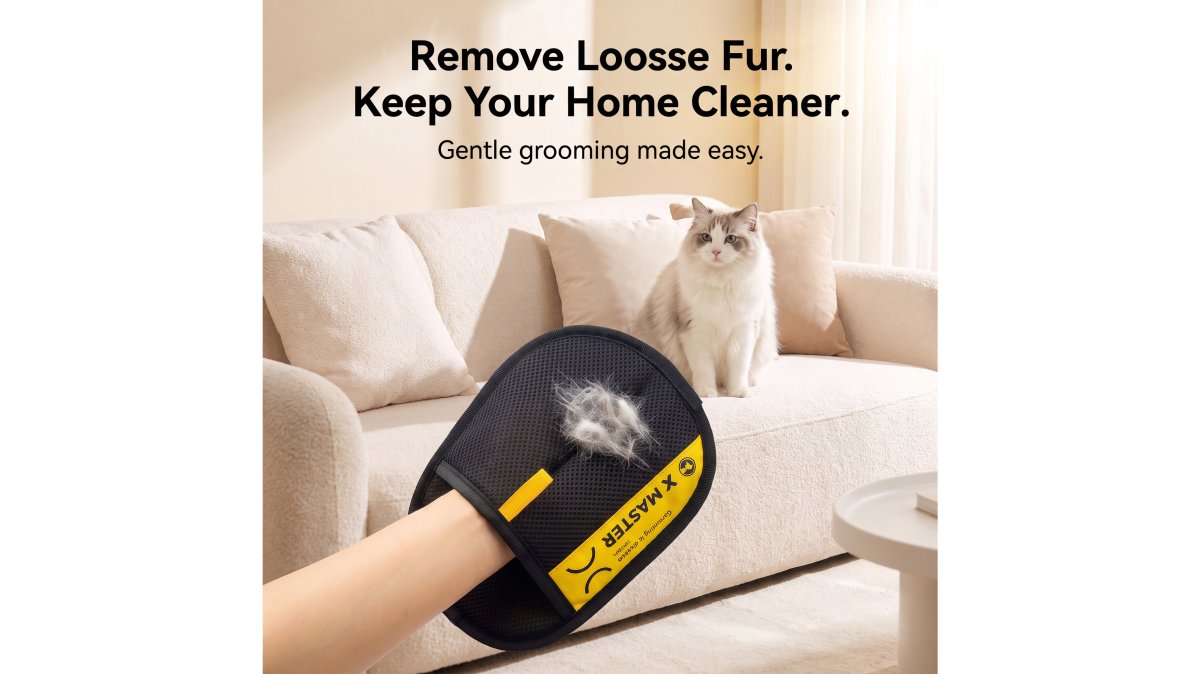
Hand mitts are the easiest option for daily grooming. The Pawesome Grooming Mitt from Pawsome Finds works this way, collecting shedding hair directly from the coat.
Undercoat rakes target the dense undercoat beneath the topcoat and are essential for double-coated breeds during shedding season. Use light pressure in the direction of hair growth; avoid raking the same area repeatedly.
Deshedding tools like FURminator-style brushes are powerful but require careful technique. Follow the grain with light, even pressure. Limit to 10-15 minutes per session, 2-3 times weekly during shedding season.
Choosing the right tool for your dog's coat:
- Double coat (German Shepherds, Golden Retrievers, Huskies): Start with an undercoat rake during shedding season, followed by a slicker brush. Outside shedding season, use a slicker brush 2-3 times weekly.
- Single coat (Poodles, terriers, Dachshunds): Use a slicker brush or curry brush 2-3 times weekly. Avoid undercoat rakes and deshedding tools.
- Sensitive skin: Rubber curry brush or hand mitt daily. Avoid slicker brushes and deshedding tools unless your vet recommends them.
- Thick, wiry coat (Schnauzers, Wire Fox Terriers): Slicker brush 2-3 times weekly. These coats shed less and don't require undercoat rakes.
- Long coat (Afghan Hounds, Maltese): Slicker brush daily to prevent mats. Use an undercoat rake 1-2 times weekly if the dog has a dense undercoat.
How Often to Brush a Dog to Control Shedding
Daily brushing during shedding season is one of the best ways to stop dog shedding by removing loose fur before it falls on furniture. Outside shedding season, brush 2-3 times weekly. During heavy shedding (spring and fall), brush daily or twice daily. Consistency matters more than duration, a quick daily session beats a long weekly one.
How to Bathe a Dog to Reduce Shedding
Bathing loosens loose fur and removes dead hair. Use warm water, not hot, it opens the coat and loosens dead hair without drying skin.
Wet your dog thoroughly and use a gentle dog shampoo, human shampoo disrupts natural oils. Massage in circular motions to loosen dead hair and stimulate skin, paying special attention to heavy shedding areas.
Rinse completely until water runs clear, leave-in shampoo causes irritation and itching. Towel dry gently; avoid aggressive rubbing. For heavy shedders, use a high-velocity dryer on low heat to blow loose fur out before it falls naturally.
Post-bath brushing is essential, brush thoroughly once dry to remove loose hair the bath loosened. Most dogs benefit from bathing every 4-8 weeks; those with skin issues may need more frequent bathing with medicated shampoo.
Nutrition, Hydration, and Supplements for Coat Health
A healthy coat starts from the inside. Protein is essential for hair growth, a diet lacking protein leads to weak hair that sheds excessively. Look for dog foods with high-quality protein sources.
Healthy fats support skin health and reduce shedding. Omega-3 and omega-6 fatty acids keep skin hydrated and reduce inflammation. Hydration also matters, dehydrated dogs have dry skin and increased shedding. Ensure constant access to fresh water.
Fish oil and coconut oil supplements provide omega fatty acids that support coat health, consult your vet for appropriate doses. Quality dog food makes a real difference; premium foods with whole proteins and healthy fats improve coat health and shedding within weeks.
Managing Loose Fur in Your Home and on Clothing
Even with perfect grooming, loose fur ends up on furniture and clothes. Lint rollers work for quick touch-ups on clothes. Rubber brooms pick up fur from hard floors better than traditional brooms. Vacuum regularly, at least 2-3 times weekly during shedding season. Pet hair vacuums work best.
Furniture protection prevents fur from embedding in upholstery, use washable throws on couches and wash weekly during heavy shedding. Lint-free clothes are easier to manage; darker colors hide fur better. Air purifiers with HEPA filters reduce airborne fur and dander.
When to Contact a Veterinarian About Excessive Shedding
Normal shedding is expected, but certain signs indicate a health problem requiring veterinary care. Distinguishing normal shedding from medical issues prevents serious conditions from worsening.
Establish a baseline for your dog. Track shedding for 2-3 weeks during a non-seasonal period. Note how much fur comes out during brushing and whether the coat looks full and shiny. This baseline helps you recognize true abnormality.
Red flags requiring immediate veterinary attention:
- Bald patches or areas of missing fur, Especially if sudden or in unusual patterns. Bald patches suggest allergies, parasites, fungal infections, or alopecia. Contact your vet within a few days.
- Skin irritation, redness, or visible sores, Sores, scabs, or oozing indicate infection or severe irritation. Schedule a vet visit within 24-48 hours.
- Excessive itching or scratching, More than a few times per hour or raw, bleeding patches signal allergies, parasites, or skin infection. Don't wait; this worsens quickly.
- Sudden increase in shedding outside normal seasons, If shedding doubles or triples without an obvious trigger, compare to your baseline. A spike lasting more than 2-3 weeks warrants a vet visit.
- Dull, brittle coat that looks unhealthy, A healthy coat is shiny and soft. A dull, rough, or brittle coat suggests nutritional deficiency, hormonal imbalance, or systemic illness. This often accompanies other symptoms.
- Flaking or scaling on the skin, Dandruff-like flakes or thick scaling indicate dry skin, fungal infection, or parasites. If flaking is widespread or accompanied by itching, see your vet.
- Hair loss accompanied by other symptoms, Lethargy, appetite loss, weight loss, vomiting, or diarrhea alongside shedding suggest a systemic problem (thyroid disease, hormonal imbalance, nutritional deficiency, or infection). These require prompt diagnosis.
Conditions commonly causing excessive shedding:
- Allergies (food or environmental), Dogs with allergies often shed excessively and itch. Symptoms may include red skin, ear infections, or paw licking. Diagnosis involves elimination diets or allergy testing.
- Parasites (fleas, mites, lice), Even one flea can trigger excessive shedding in sensitive dogs. Mites cause intense itching and hair loss. Monthly preventive medication (prescribed by your vet) is the standard treatment.
- Fungal or bacterial infections, Ringworm and other fungal infections cause circular bald patches and scaling. Bacterial infections cause pustules and oozing. Both require medicated shampoos or oral medication.
- Thyroid disease, Hypothyroidism (low thyroid hormone) causes symmetrical hair loss, weight gain, and lethargy. A simple blood test diagnoses this, and lifelong medication manages it.
- Hormonal imbalances, Cushing's syndrome and other endocrine disorders cause excessive shedding, pot-bellied appearance, and increased thirst. These require blood work and specialist care.
- Nutritional deficiencies, Lack of protein, fat, or specific vitamins causes poor coat quality and shedding. Switching to high-quality food often resolves this within 4-6 weeks.
- Stress or anxiety, Dogs under stress (new home, loud noises, separation anxiety) may shed excessively or develop stress-related skin problems. Addressing the underlying cause helps.
How to prepare for a vet visit:
- Bring photos or video of the shedding, bald patches, or skin irritation. This helps your vet assess severity.
- Note when shedding started, whether it's getting worse, and any other symptoms (itching, behavior changes, appetite changes).
- List any recent diet changes, new medications, or environmental changes (moved house, new pet, climate change).
- Mention whether your dog has been scratching excessively or licking specific areas.
When to monitor at home instead of rushing to the vet:
If your dog is shedding heavily during spring or fall but shows no other signs (no itching, no bald patches, normal energy and appetite), this is likely seasonal shedding. Monitor for 2-3 weeks. If shedding decreases after this period, no vet visit is needed. If it continues or worsens, schedule an appointment.
Regular brushing and proper grooming help you spot skin issues early. You'll notice changes in your dog's coat before they become serious. Don't wait if shedding seems abnormal for your dog or if it's accompanied by itching, bald patches, or other symptoms.
Frequently Asked Questions
Can you stop a dog from shedding completely?
No, you cannot stop a dog from shedding completely. Shedding is a natural biological process for most dogs. However, you can significantly reduce the amount of loose fur your dog leaves around your home through consistent brushing, proper bathing, good nutrition, and hydration. Understanding that shedding is normal helps you focus on management strategies rather than elimination.
What is the most effective way to reduce dog shedding?
The most effective approach combines regular brushing, appropriate bathing, quality nutrition, and proper hydration. Daily or weekly brushing removes loose fur before it falls out naturally, while warm baths with proper technique help loosen the undercoat. A balanced diet rich in omega fatty acids and consistent water intake support healthy skin and coat. For dogs with double coats, using a deshedding tool during shedding season makes the biggest difference.
Does bathing help reduce dog shedding?
Yes, bathing can help reduce shedding when done correctly. Warm water loosens the undercoat and makes loose fur easier to remove during grooming. Bathe your dog every 4-6 weeks using lukewarm water and a quality dog shampoo. Follow up immediately with thorough brushing while the coat is still damp to capture loose hair. Avoid bathing too frequently, as this can dry out the skin and potentially increase shedding.
Can diet affect how much my dog sheds?
Yes, diet directly impacts coat health and shedding. Dogs fed a balanced diet with adequate protein, omega-3 and omega-6 fatty acids, and essential vitamins maintain healthier skin and coat, which reduces excessive shedding. Poor nutrition can lead to dry, flaky skin and increased hair loss. Ensure your dog's food includes high-quality protein sources and consider adding fish oil supplements if recommended by your veterinarian, but always consult before introducing new supplements.