


Table of Contents
- Essential Puppy Supplies: What You Actually Need
- New Puppy Checklist by Priority and Timeline
- Puppy Food and Feeding Supplies
- Puppy Crate and Bedding: Safe Sleep and Training Spaces
- Puppy Grooming Supplies and Basic Care
- Puppy Training Supplies and Behavior Tools
- Toys, Enrichment, and Safe Play
- Budget Tiers: What to Buy First and What Can Wait
- Frequently Asked Questions
Last Updated: October 10, 2026
Essential Puppy Supplies: What You Actually Need
Bringing home a new puppy is exciting, overwhelming, and often more expensive than first-time owners expect. The sheer volume of essential puppy supplies for new owners available online makes it easy to buy things you don't need while missing items that actually matter.
The good news: you don't need everything at once. The bad news: buying randomly wastes money and leaves you scrambling when your puppy arrives.
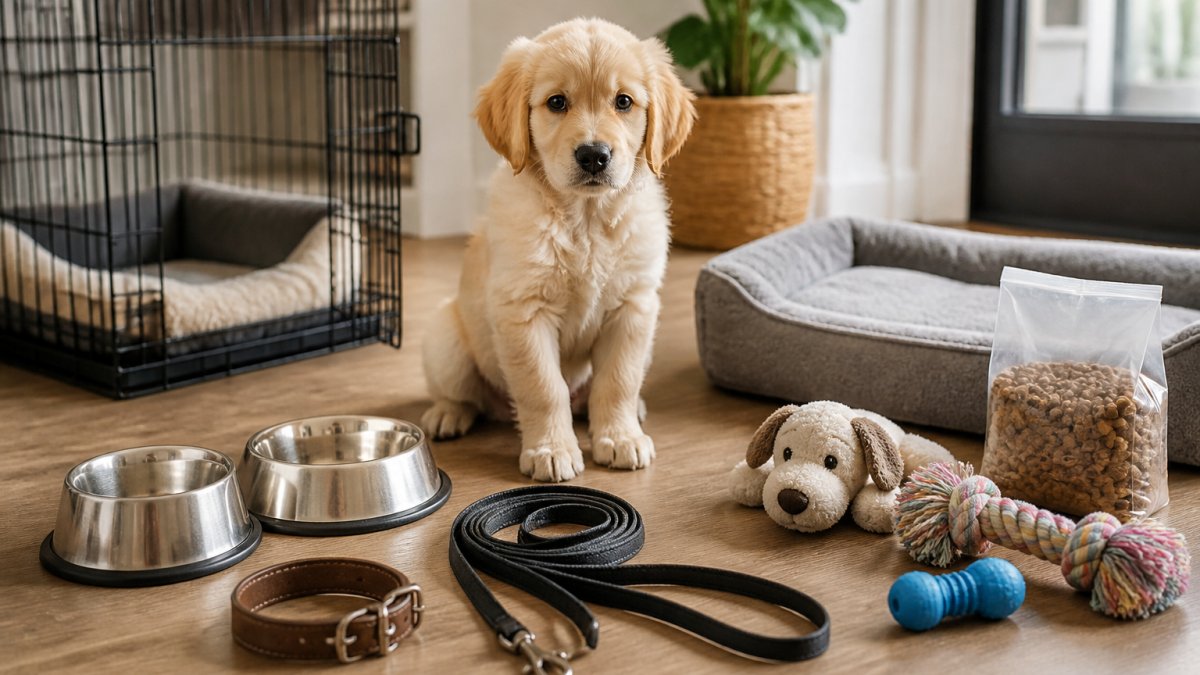
Most first-time owners make the same mistake: they assume a complete setup means buying one of everything in the pet store. In reality, a few core items cover 80% of what your puppy needs in the first month. The rest can wait.
New Puppy Checklist by Priority and Timeline
The most important new puppy checklist organizes purchases by when you actually need them, not by product category. Your puppy arrives in days or weeks. Some items need to be ready before you bring them home; others can wait until you see what your specific puppy needs.
Before Pickup (Essential):
- Food and water bowls
- Puppy food (ask the breeder or shelter what they've been feeding)
- Collar and ID tag with your phone number
- Leash (4-6 feet for training, not a retractable)
- Crate sized for your puppy's breed
- Bedding for the crate
- Basic toys (chew toys, a ball, a rope toy)
- Enzymatic cleaner (for accidents)
- Poop bags and waste disposal supplies
First Week (Important):
- Food and water bowl upgrades if the starter set isn't working
- Additional toys for mental enrichment
- Potty pads (if you're not doing outdoor-only training)
- Paper towels and cleaning supplies
- Grooming basics (brush, nail clippers or grinder)
Can Wait (Nice to Have):
- Fancy beds or furniture
- Advanced training tools
- Specialized grooming equipment
- Travel carriers
- Seasonal clothing
The timing matters because your puppy's first days are chaotic. You're learning their personality, their chewing habits, and their bathroom schedule. Waiting a week or two before buying specialty items means you buy what actually fits your situation instead of what marketing told you to buy.
Puppy Food and Feeding Supplies
Nutrition is non-negotiable, but feeding supplies are where new owners often overspend. Your puppy needs complete and balanced food designed for puppies, not adult dogs, not "all life stages." That's the only real requirement.
Food choice depends on your puppy's age, breed size, and any health considerations. Ask the breeder or shelter what they've been feeding. Switching foods abruptly causes digestive upset, so plan to use the same brand for at least the first week, then transition gradually if you want to change.
Feeding supplies matter more than food brand. A bowl that slides around, spills water everywhere, or holds too much food creates problems. The right setup makes feeding predictable and reduces mess.
Choosing the Right Food Bowl
The best food bowl prevents gulping, stays in place, and is easy to clean. Most puppies eat too fast, which causes bloating, vomiting, and digestive issues.
Our recommendation: the Silicone Slow Food Plate for Dogs and Pets ($28.99 at Pawsome Finds) uses a licking-pad design that encourages slower eating. The silicone material is durable, dishwasher-safe, and comes in multiple colors.

For water, a separate bowl prevents contamination and lets you monitor how much your puppy drinks (important for potty training). A non-slip base keeps both bowls in place, preventing the constant sliding that drives owners crazy.
If you're traveling frequently, the Collapsible Pet Bowl ($14.99) folds flat and clips to a leash or bag.
Feed puppies 3-4 times daily until 6 months, then transition to twice daily. Consistent feeding times make potty training predictable, puppies need to go out 15-30 minutes after eating.
Puppy Crate and Bedding: Safe Sleep and Training Spaces
A crate isn't punishment; it's a safe den where your puppy sleeps, stays contained when you can't supervise, and learns bladder control.
Size matters. The crate should be large enough for your puppy to stand, turn around, and lie down, but not so large they can potty in one corner and sleep in another.
Measure your puppy's expected adult size, then buy a crate for that size. Most quality crates have a divider panel that lets you adjust the space as your puppy grows.
Bedding makes the crate comfortable and absorbent. Puppies have accidents; bedding that's washable and quick-drying prevents odor and mold. Avoid fluffy bedding for puppies under 6 months, they'll shred it and potentially eat the filling, causing intestinal blockages.
A simple washable mat or towel works fine. As your puppy matures and stops having accidents, upgrade to a proper dog bed if you want.
Puppy Grooming Supplies and Basic Care
Grooming isn't vanity; it's health maintenance. Puppies need regular brushing to prevent matting, nail trimming to prevent joint problems, and ear cleaning to prevent infections. Starting these routines early makes adult grooming easier.
Basic grooming supplies:
- Brush or comb appropriate for your puppy's coat type
- Dog shampoo (never human shampoo, it damages their skin pH)
- Nail clippers or a grinder
- Toothbrush and dog toothpaste
- Ear cleaning solution
- Towels for drying
Brush your puppy 2-3 times weekly, depending on coat type. Long-haired breeds need daily brushing. Short-haired breeds need less frequent brushing but still benefit from it. Brushing removes loose hair, prevents matting, and lets you check for skin issues early.
Nail trimming every 3-4 weeks prevents overgrowth, which causes joint pain and gait problems. Many new owners are terrified of cutting nails too short. Start with a grinder while your puppy is young, they'll tolerate it better as an adult.
Silicone Slow Food Plate for Dogs and Pets →
Dental care starts now. Brush your puppy's teeth 3-4 times weekly with dog-specific toothpaste. Human toothpaste contains fluoride and xylitol, both toxic to dogs. This habit prevents expensive dental disease later.
Puppy Training Supplies and Behavior Tools
Training supplies aren't about forcing obedience; they're about communication. Your puppy doesn't know the rules yet. Training tools help you teach them clearly and safely.
Essential training supplies:
- High-value training treats (small, soft, smelly)
- A 4-6 foot leash (not retractable)
- A properly fitted collar or harness
- Potty pads for indoor training (if needed)
- Enzymatic cleaner for accidents
- A training clicker (optional but helpful)
Treats are your primary communication tool. Choose small pieces of something your puppy goes crazy for, cooked chicken, cheese, or commercial training treats. Size matters: tiny pieces mean more repetitions per training session without overfeeding.
Potty pads work for apartment dwellers or owners who can't let puppies outside frequently. Use them consistently in the same spot, then gradually move them toward the door as your puppy learns. The goal is outdoor bathroom habits, so transition away from pads by 4-5 months.
Enzymatic cleaner is non-negotiable. Regular cleaners mask the smell to you but not to your puppy. They'll keep using the same spot. Enzymatic cleaners break down urine at a molecular level, eliminating the scent completely.
Toys, Enrichment, and Safe Play
Puppies are learning machines. Play isn't just entertainment; it's how they develop confidence, learn social skills, and burn energy. The right toys prevent boredom and destructive chewing.
Different toys serve different purposes. Chew toys satisfy the natural urge to chew. Fetch toys encourage running and retrieval. Puzzle toys require problem-solving and slow down eating.
The Rubber Balls Chewing Pet Toys ($23.99) from Pawsome Finds are made from natural rubber and designed to withstand serious chewing.

Rotate toys to maintain novelty. Keep 4-5 toys accessible, then swap them out weekly.
Avoid toys with small parts, loose threads, or stuffing that can be swallowed. Puppies don't understand "don't eat this", they eat everything. Inspect toys regularly and remove anything damaged.
Mental enrichment prevents behavioral problems. A bored puppy becomes a destructive puppy. Puzzle toys, sniffing games, and training sessions tire puppies out more effectively than just running around.
Budget Tiers: What to Buy First and What Can Wait
Your budget determines your timeline, not your commitment to your puppy.
| Budget Tier | Essentials | Timeline | Cost Range |
|---|---|---|---|
| Minimum Setup | Crate, collar, leash, food bowls, basic toys, enzymatic cleaner | Before pickup | $150-250 |
| Starter Setup | Minimum + bed, grooming basics, training treats, potty pads | First 2 weeks | $300-450 |
| Complete Setup | Starter + quality slow-feed bowl, enrichment toys, grooming tools | First month | $500-700 |
| Premium Setup | Complete + travel carrier, premium bedding, advanced training tools | First 2-3 months | $800-1200+ |
The minimum setup covers everything your puppy needs to be safe and comfortable. It's not fancy, but it works.
The starter setup adds comfort and convenience. A proper bed for the crate, basic grooming supplies, and training treats cost another $100-200.
The complete setup includes quality upgrades based on what you've learned about your specific puppy. If they chew aggressively, invest in durable toys.
Premium setups include travel carriers, specialty training equipment, and luxury items. These are nice but not necessary.
The mistake most new owners make is buying everything at once, assuming more spending equals better care.
At Pawsome Finds, we recommend the staged approach. Start with the essentials, see what works for your puppy's personality and your lifestyle, then upgrade strategically.
Getting your puppy home safely and comfortably doesn't require spending thousands.
Frequently Asked Questions
What supplies do I absolutely need before bringing a puppy home?
Start with food and water bowls, puppy food, a collar and leash, a crate for safe sleeping and potty training, a bed or blanket, toys, and waste bags. You'll also want enzymatic cleaner for accidents, a brush, puppy shampoo, and identification tags. Most new owners can start with these essentials and add grooming or training tools later as their puppy grows and their routine settles.
How do I know what size crate my puppy needs?
Measure your puppy's length from nose to tail and add 2-4 inches. The crate should be large enough for your puppy to stand, turn around, and lie down comfortably. Many owners choose a crate with a divider panel that grows with the puppy, so you can adjust the space as they get bigger. This prevents them from using one corner as a bathroom and another for sleeping.
What makes a puppy food bowl safe and practical?
Look for bowls made from stainless steel or food-grade silicone with a non-slip base to prevent sliding during meals. Slow-feed or puzzle-style bowls, like the Silicone Slow Food Plate, encourage your puppy to eat more slowly, which aids digestion and reduces choking risk.
Which toys are safe for puppies, and how do I prevent choking?
Choose toys sized appropriately for your puppy's mouth, nothing small enough to swallow whole. Durable rubber toys like the Rubber Balls Chewing Pet Toys withstand chewing and can be stuffed with treats for mental enrichment. Avoid toys with loose parts, strings, or small pieces that can detach. Always supervise playtime with new toys and rotate them to keep your puppy engaged.
What grooming supplies should I buy for a new puppy?
Start with a soft brush suited to your puppy's coat type, puppy-specific shampoo, nail clippers or a nail grinder, a toothbrush and dog toothpaste, and ear-cleaning solution. Grooming early helps your puppy get comfortable with handling and prevents matting. Many first-time owners can handle basic brushing and nail care at home, reserving professional grooming for occasional baths or nail trims.
Do I need a puppy training pad, and when should I use it?
Puppy training pads are helpful during the first 8-12 weeks when your puppy cannot hold their bladder through the night or long periods. Place pads in a designated potty area away from sleeping and eating spaces. As your puppy matures and develops bladder control, gradually reduce pad use and transition to outdoor potty training. Enzymatic cleaners are essential for accidents outside the pad area.